Homeowner advice · Crows Roofing
Vinyl Siding Installation in Omaha: What the Project Includes
Understand the steps and details involved in vinyl siding installation for Omaha homes, including wall preparation, weather barriers, trim, and ventilation.
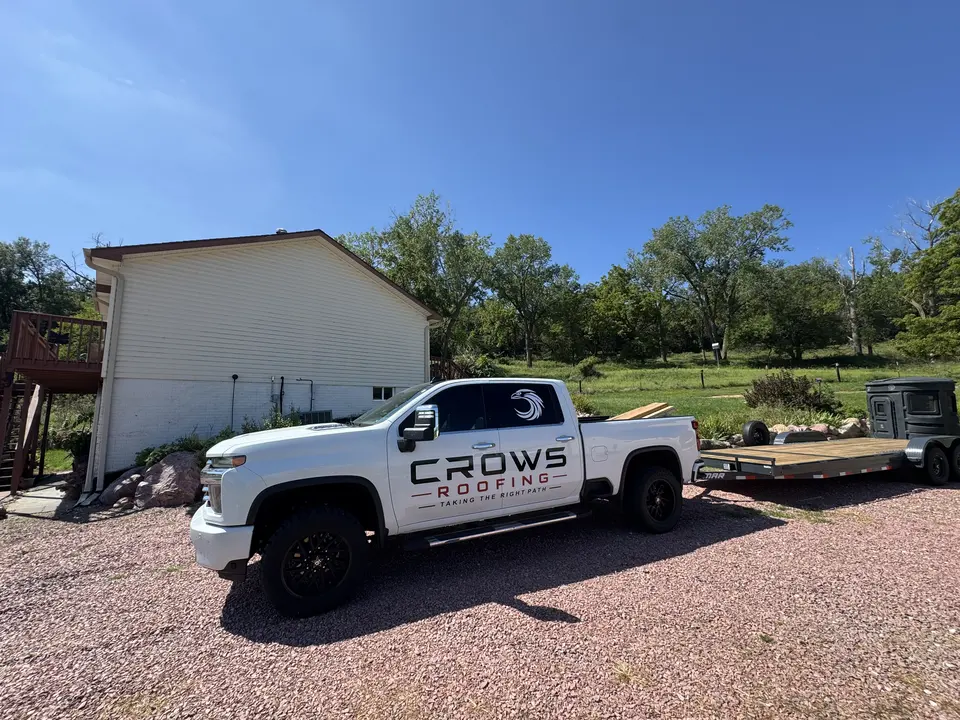
Installation starts with the existing wall
Before new vinyl siding goes on, the contractor should evaluate existing cladding, sheathing, wall flatness, moisture evidence, penetrations, and the condition of the weather-resistive barrier. Covering an unresolved wall problem does not correct it.
Plan water management around openings
Windows, doors, utility penetrations, roof-to-wall areas, and deck connections require careful transitions. Flashing and the weather barrier must direct water outward. Caulk can be part of a detail, but it should not substitute for correct layering and drainage.
Allow vinyl siding to move
Vinyl expands and contracts as temperatures change. Correct nailing, clearances, panel engagement, and accessory installation allow movement without buckling or pulling apart. Omaha temperature swings make these installation details important.
Coordinate trim, soffit and fascia
Corner posts, starter strips, window and door trim, soffit, fascia, and ventilation should be included in the plan. Discuss which existing components remain, which are replaced, and how colors and profiles will work together.
Review the scope before installation
A written proposal should identify removal, wall preparation, materials, accessories, repairs, cleanup, and handling of concealed damage. Learn more about vinyl siding in Omaha and Crows Roofing siding services.